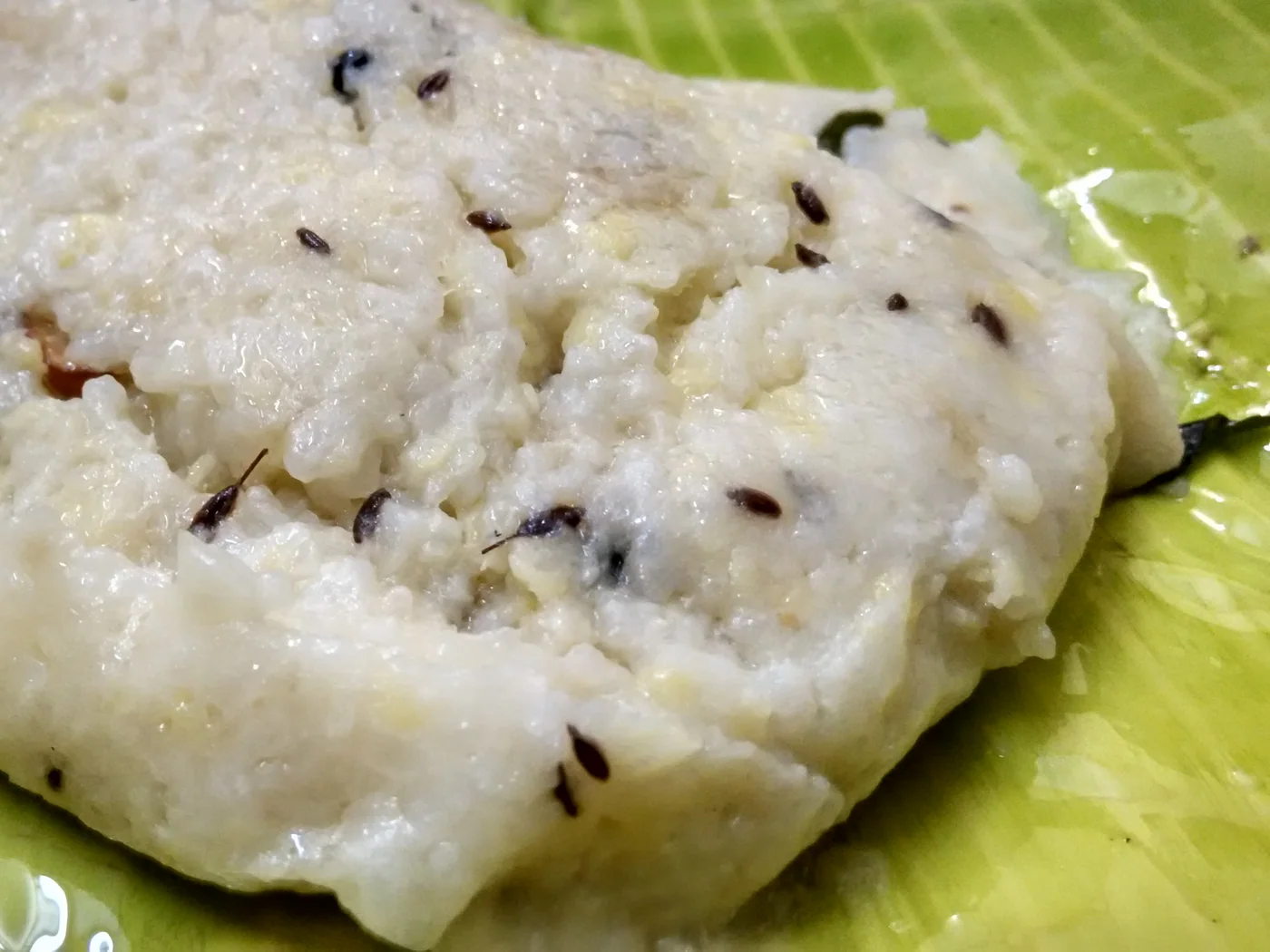
Khara Pongal (Rice and Mung Bean Porridge)
Rice Recipes Khara pongal is a savoury porridge-like dish that is traditionally prepared in South India for the Makar Sankranti festival that heralds the arrival of summer. The sweet pongal variety differs only in the spices added, and the two are often cooked together from the same batch of rice and dhal.
Before you start
A quick setup makes the method easier to follow and keeps important steps from being missed.
Preparation checklist
- Read all 6 method steps from beginning to end.
- Measure and arrange all 13 listed ingredients.
- Set aside about 40 minutes, based on the time recorded by the source.
Useful preparation guidance
Read the complete method before starting so ingredients and equipment are ready when needed.
Measure and prepare every ingredient before applying heat or beginning time-sensitive steps.
Use the method's visual and texture cues, because cookware and heat levels can vary between kitchens.
General kitchen guidance; no recipe-specific claim has been added.Method
- 01
Cook the rice and dhal together with turmeric powder in a pot or pressure cooker until mushy.
- 02
Heat a little ghee in a large pan and brown the cashew nuts. Remove them from the pan.
- 03
Add the rest of the ghee and the oil and heat.
- 04
Throw in all of the spices, starting with the mustard seed and finishing with the cashew nuts.
- 05
Mix in the rice and dhal, warming through. If it is too thick, add a little water.
- 06
Add salt and extra ghee to taste. You can also add some grated coconut at the end.
Ready to serve
Serve the dish as directed and enjoy it while it is at its best.
Bon appétit — enjoy your meal!Source & licence
This recipe was adapted and reformatted from Wikibooks Cookbook . Text: CC BY-SA 4.0. Image: CC BY-SA 4.0, credited to Thamizhpparithi Maari; view original image record .
More from International
 International
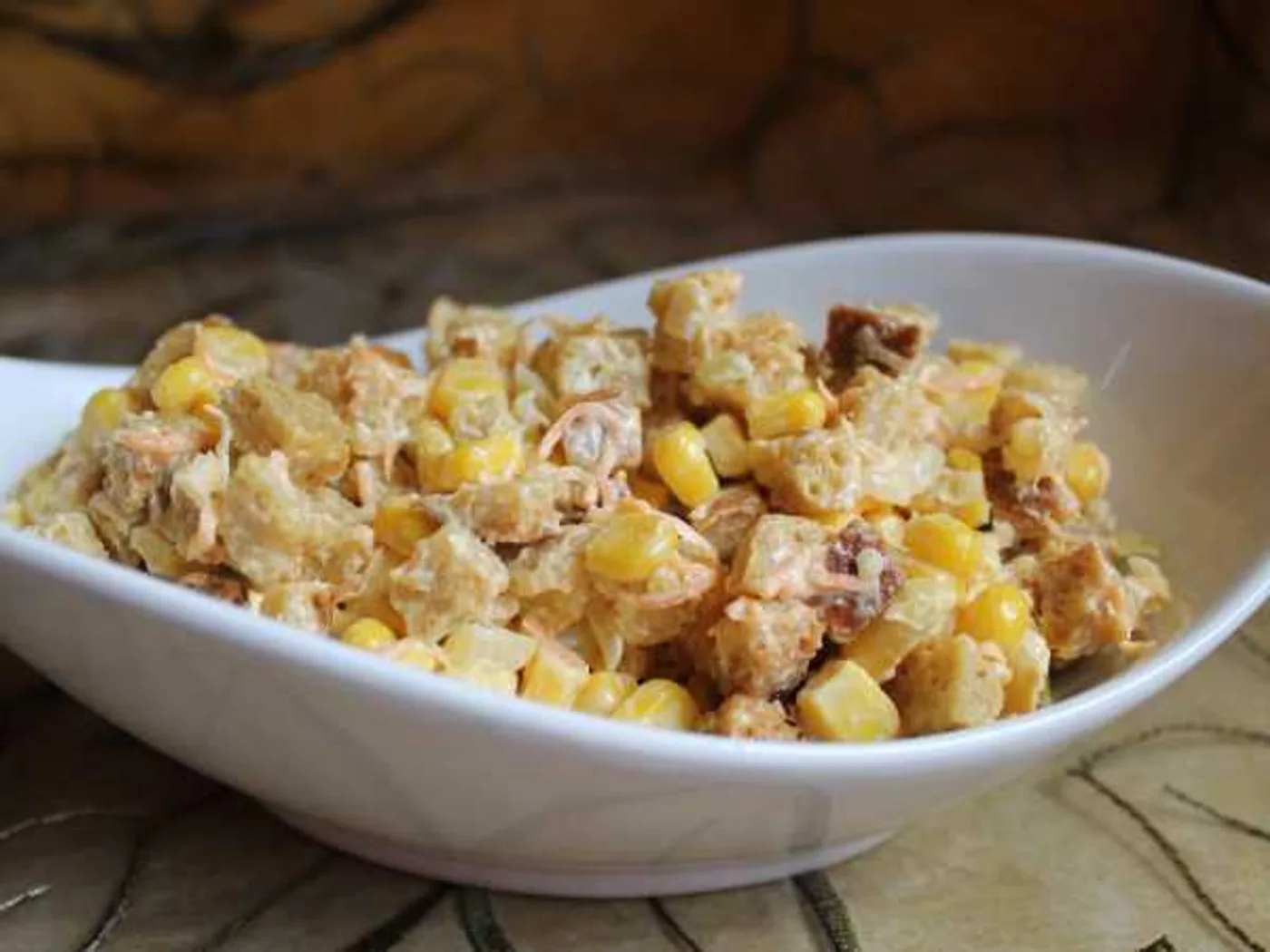
"Favourite" salad
How to prepare "Favorite Salad": Bread, Mayonnaise, Garlic and Carrots. Step-by-step recipe with a photo, 18 stages, the total time is 30 minutes.
 International
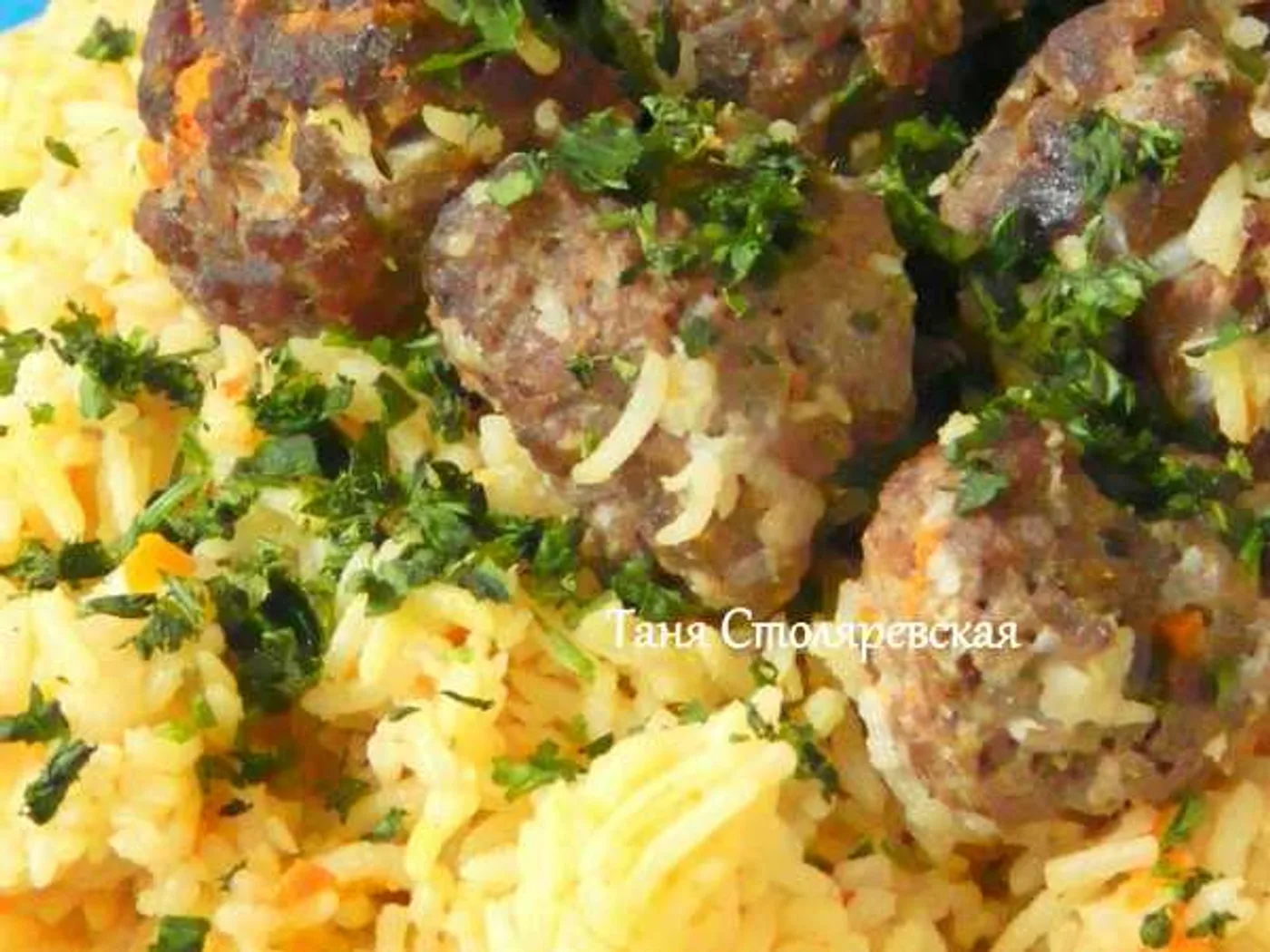
"Gelak Pilaw," pilaf with meatballs
Learn how to make "Gelak Pilaw," pilaf with meatballs with 7 ingredients and 11 clear steps.
 International
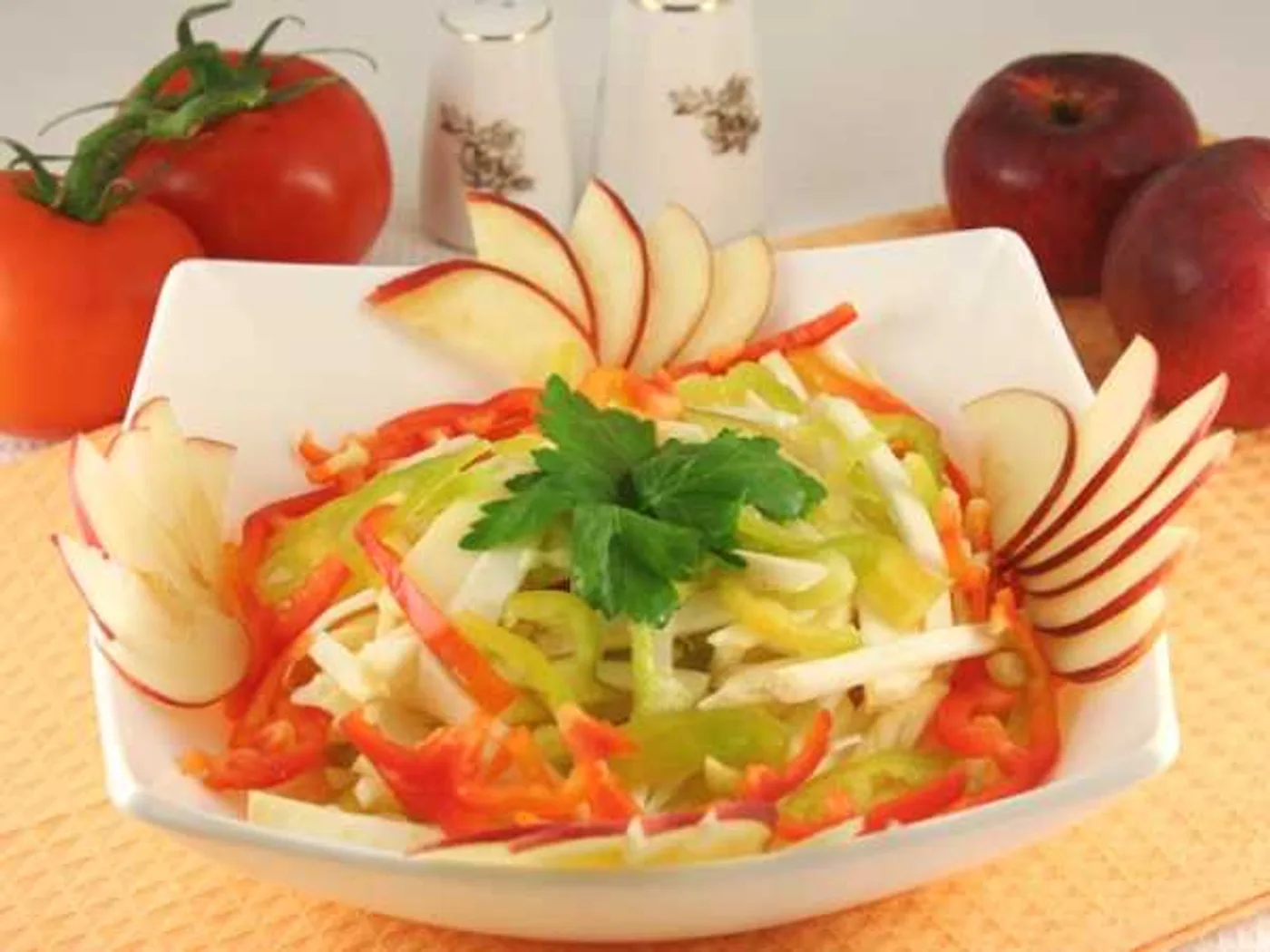
"Grace" salad
Learn how to make "Grace" salad with 7 ingredients and 8 clear steps.
 International
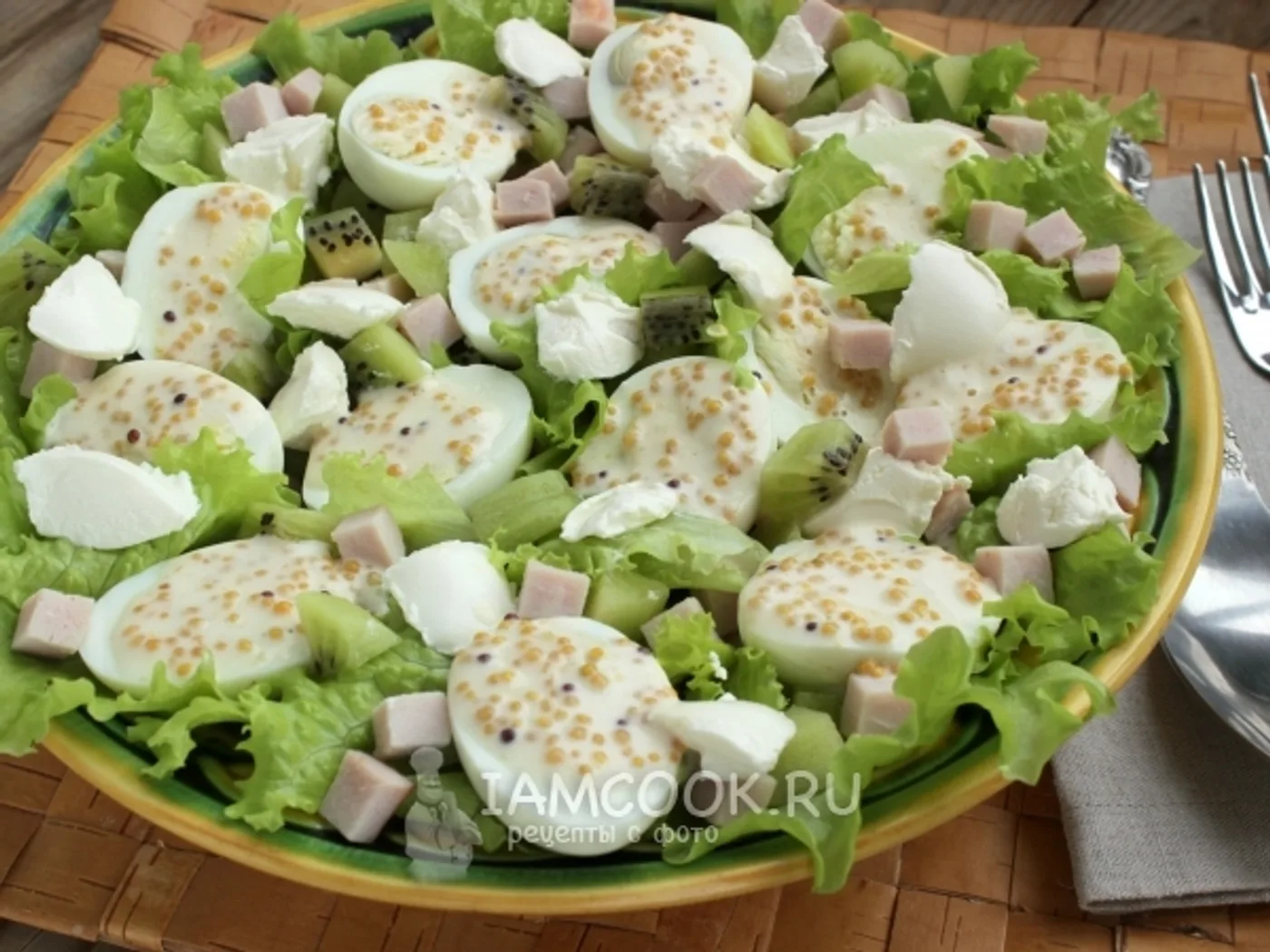
“Original” pork salad with kiwi and eggs
How to prepare “Original” pork salad with kiwi and eggs: Lettuce leaf, Pork in / k, Kiwi and Eggs (quail or chicken C2-C3) - 6 pieces.