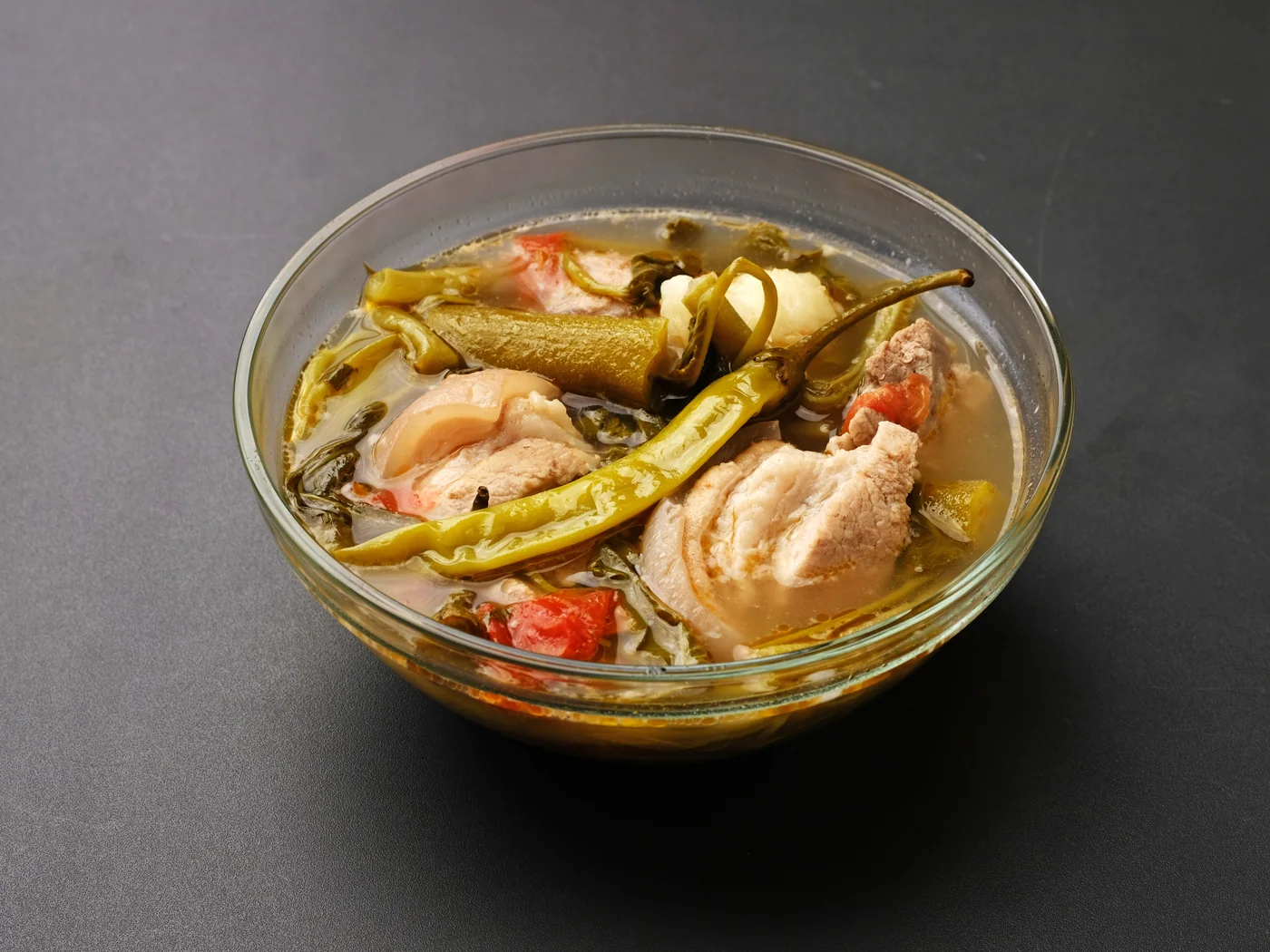
Sinigang (Philippine Sour Soup)
Cuisine of the Philippines Sinigang, the famous sour soup of the Philippines, is a fruity sour-based soup boiled with either pork, beef, chicken, fish or seafood. A variety of vegetables can be included, but onions and tomatoes are required. Root vegetables are too starchy and not recommended, with the exception of taro root, which adds a milky and starchy t
Before you start
A quick setup makes the method easier to follow and keeps important steps from being missed.
Preparation checklist
- Read all 10 method steps from beginning to end.
- Measure and arrange all 14 listed ingredients.
- Keep the recipe open and follow each step in order; the source does not state a total time.
Useful preparation guidance
Read the complete method before starting so ingredients and equipment are ready when needed.
Measure and prepare every ingredient before applying heat or beginning time-sensitive steps.
Use the method's visual and texture cues, because cookware and heat levels can vary between kitchens.
General kitchen guidance; no recipe-specific claim has been added.Method
- 01
If using whole tamarind, boil it in water until the shells crack, then work the flesh away from the seeds and strain, reserving all the liquid for the soup. Skip this process if using packed tamarind base.
- 02
Sauté the chopped onions in another large pot.
- 03
Add the tomato and pork to the onions, and sauté until the pork is no longer pink.
- 04
Add enough water or boiled tamarind stock to cover the contents of the pot. Boil until tender.
- 05
Add taro root, and simmer until soft and tender. The soup should to thicken at this point.
- 06
Add the horseradish, and simmer until tender-crunchy.
- 07
Add the string beans, quartered onions, and water spinach. Simmer for another 2–3 minutes.
- 08
Check to make sure all ingredients were cooked enough, then add the tamarind pack if using.
- 09
Add fish sauce, salt, pepper, and MSG to taste. Top with green chillies.
- 10
Serve hot.
Ready to serve
Serve the dish as directed and enjoy it while it is at its best.
Bon appétit — enjoy your meal!Source & licence
This recipe was adapted and reformatted from Wikibooks Cookbook . Text: CC BY-SA 4.0. Image: CC BY-SA 4.0, credited to Joy D. Ganaden; view original image record .
More from International
 International
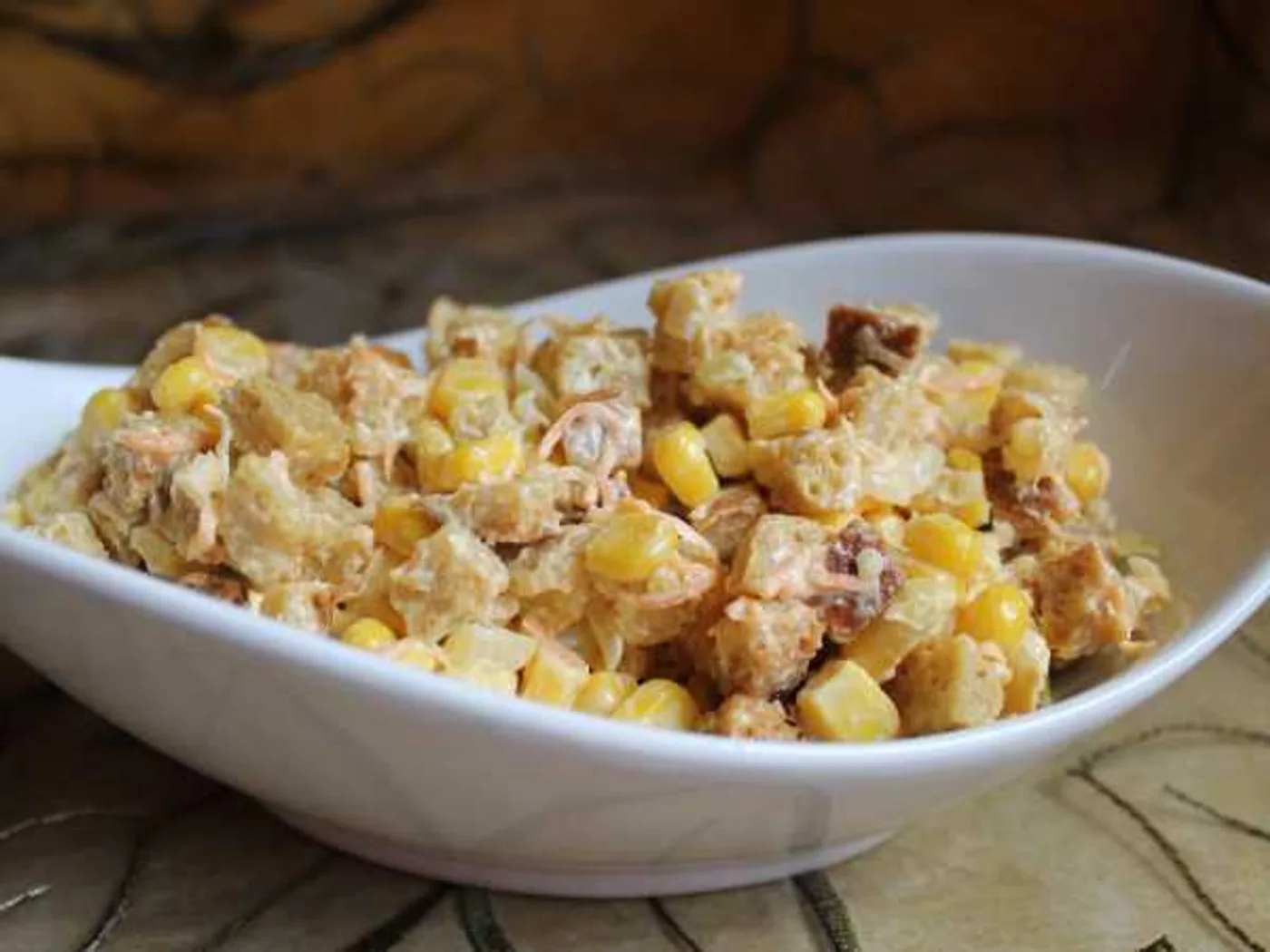
"Favourite" salad
How to prepare "Favorite Salad": Bread, Mayonnaise, Garlic and Carrots. Step-by-step recipe with a photo, 18 stages, the total time is 30 minutes.
 International
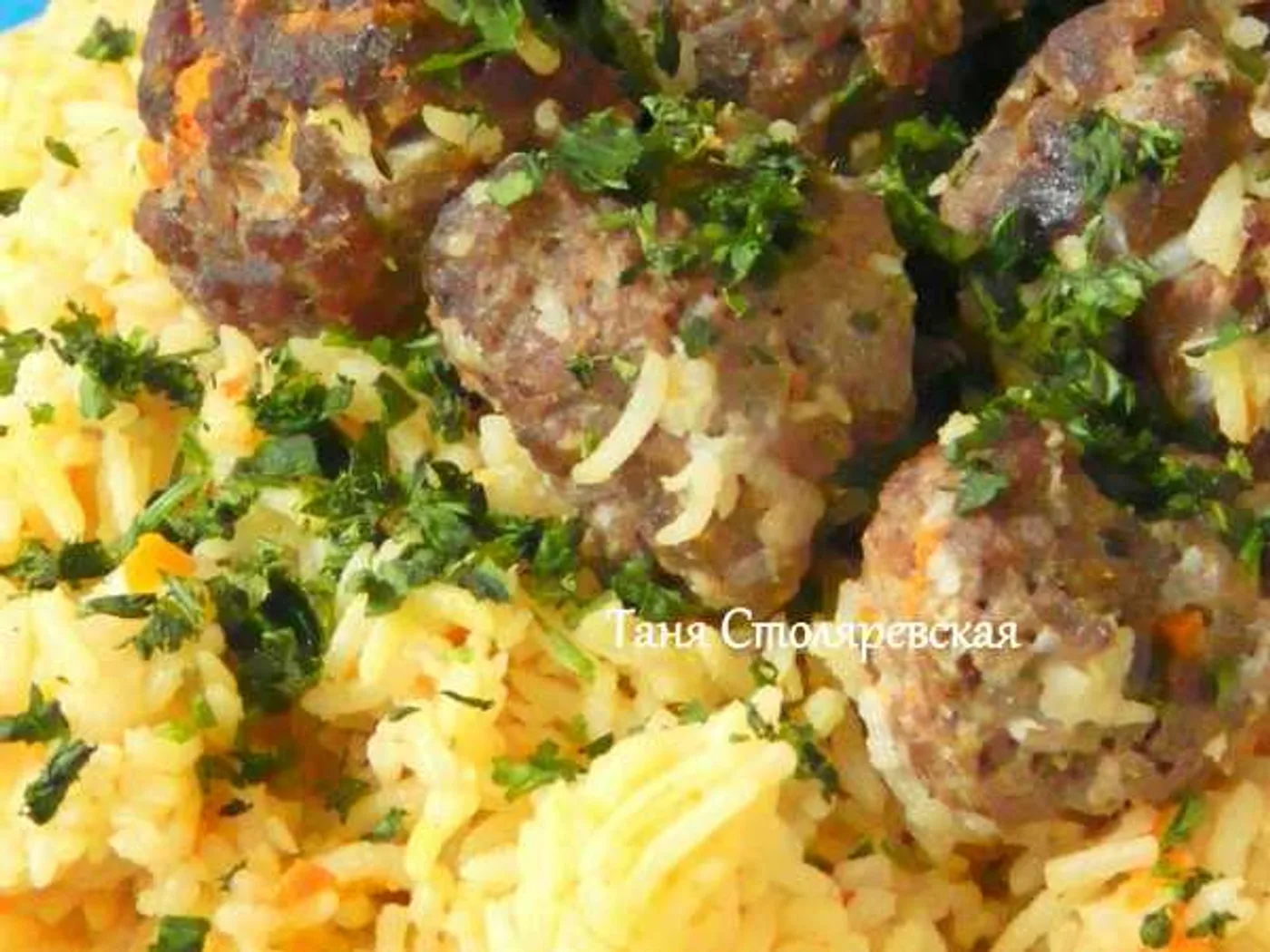
"Gelak Pilaw," pilaf with meatballs
Learn how to make "Gelak Pilaw," pilaf with meatballs with 7 ingredients and 11 clear steps.
 International
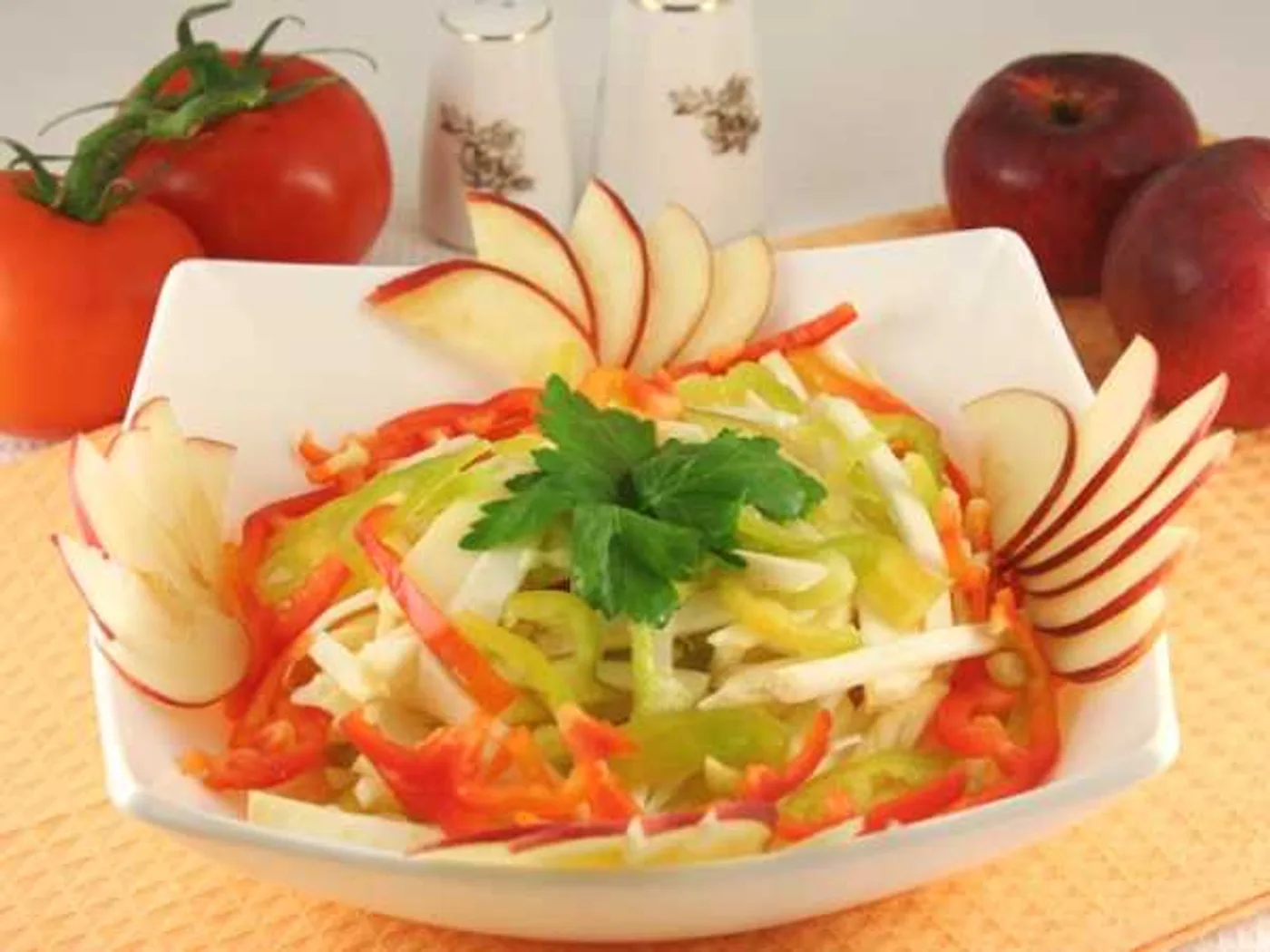
"Grace" salad
Learn how to make "Grace" salad with 7 ingredients and 8 clear steps.
 International
“Original” pork salad with kiwi and eggs
How to prepare “Original” pork salad with kiwi and eggs: Lettuce leaf, Pork in / k, Kiwi and Eggs (quail or chicken C2-C3) - 6 pieces.