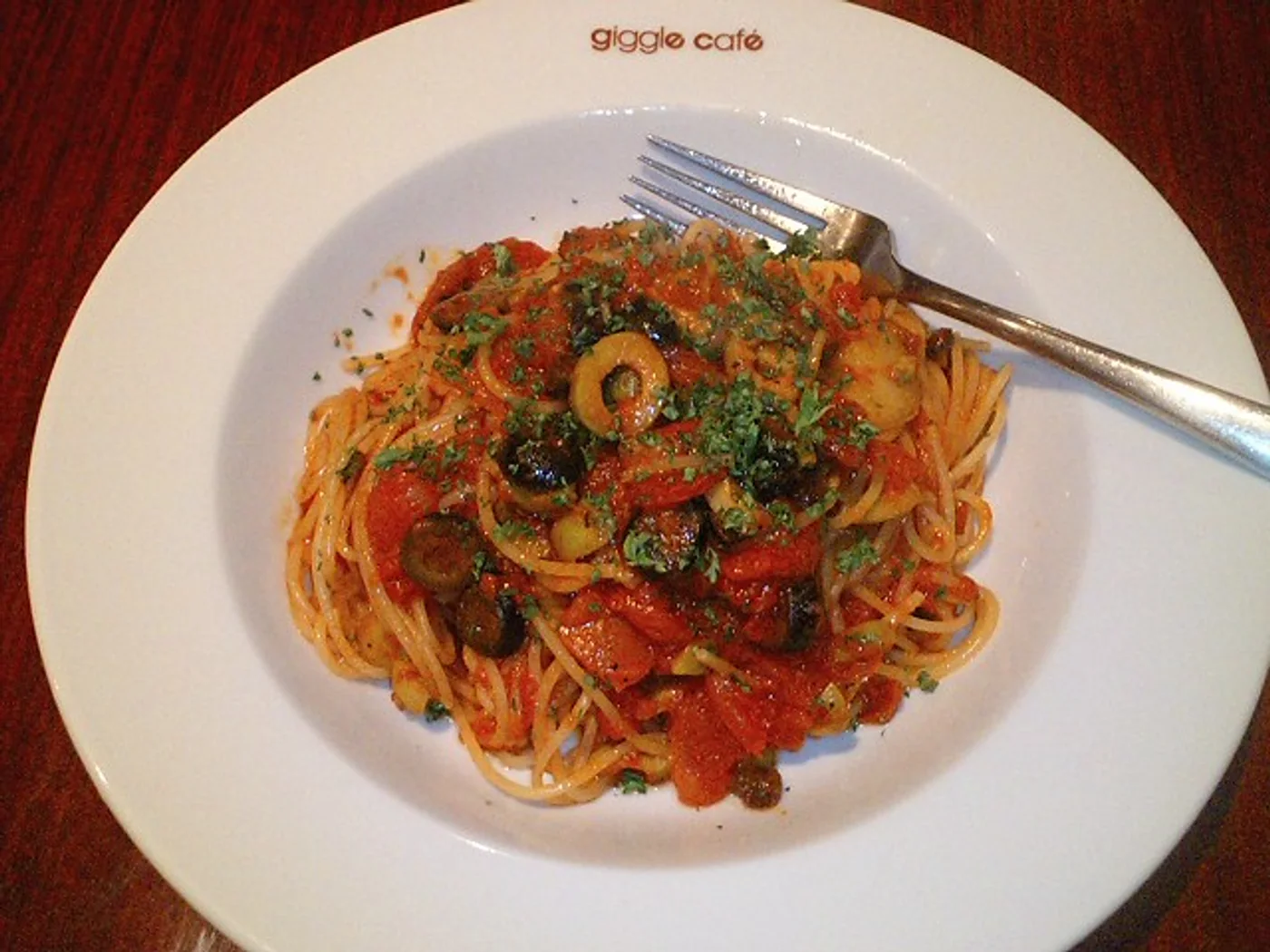
Spaghetti alla Puttanesca
Pasta Recipes Spaghetti alla puttanesca (Italian: "whore's spaghetti") is a spicy, tangy and somewhat salty Italian pasta dish. According to Annarita Cuomo, writer for Il Golfo, a newspaper serving the Italian islands of Ischia and Procida, sugo alla puttanesca was invented in the 1950s by Sandro Petti, co-owner of Rancio Fellone, a famous Ischian restaurant
Before you start
A quick setup makes the method easier to follow and keeps important steps from being missed.
Preparation checklist
- Read all 6 method steps from beginning to end.
- Measure and arrange all 10 listed ingredients.
- Set aside about 20 minutes, based on the time recorded by the source.
Recipe notes & preparation tips
Italians customarily do not top this dish with grated cheese.
This recipe calls for chile peppers. Choosing the right quantity and type of pepper depends on your personal taste and a bit of trial and error. For this dish, most chefs use peppers in the moderate range of the Scoville scale. Use one or one and a half small peppers the first time you make this recipe. Use one and a half or two small peppers if your first attempt at making sugo leaves you craving more pepper heat. Keep increasing the number of peppers until you get it right. Most chefs stop at three.
Adapted from the source recipe's notes.Method
- 01
Put the olive oil, garlic, and anchovy paste in a skillet over medium heat.
- 02
Before the garlic browns, add the olives, capers, tomato sauce, and chile peppers.
- 03
Add 2–3 pinches of salt, mixing over high heat. Then lower the heat and allow to simmer for 15 to 20 minutes.
- 04
Meanwhile, cook the spaghetti in salted water (at least 4 quarts of water per pound of spaghetti being cooked). Strain it when it's al dente.
- 05
Place pasta in a large serving bowl, and coat it with sauce. Then, sprinkle it with chopped parsley.
- 06
Mix and serve hot.
Ready to serve
Serve the dish as directed and enjoy it while it is at its best.
Bon appétit — enjoy your meal!Source & licence
This recipe was adapted and reformatted from Wikibooks Cookbook . Text: CC BY-SA 4.0. Image: CC BY 2.0, credited to nishidaryuichi; view original image record .
More from International
 International
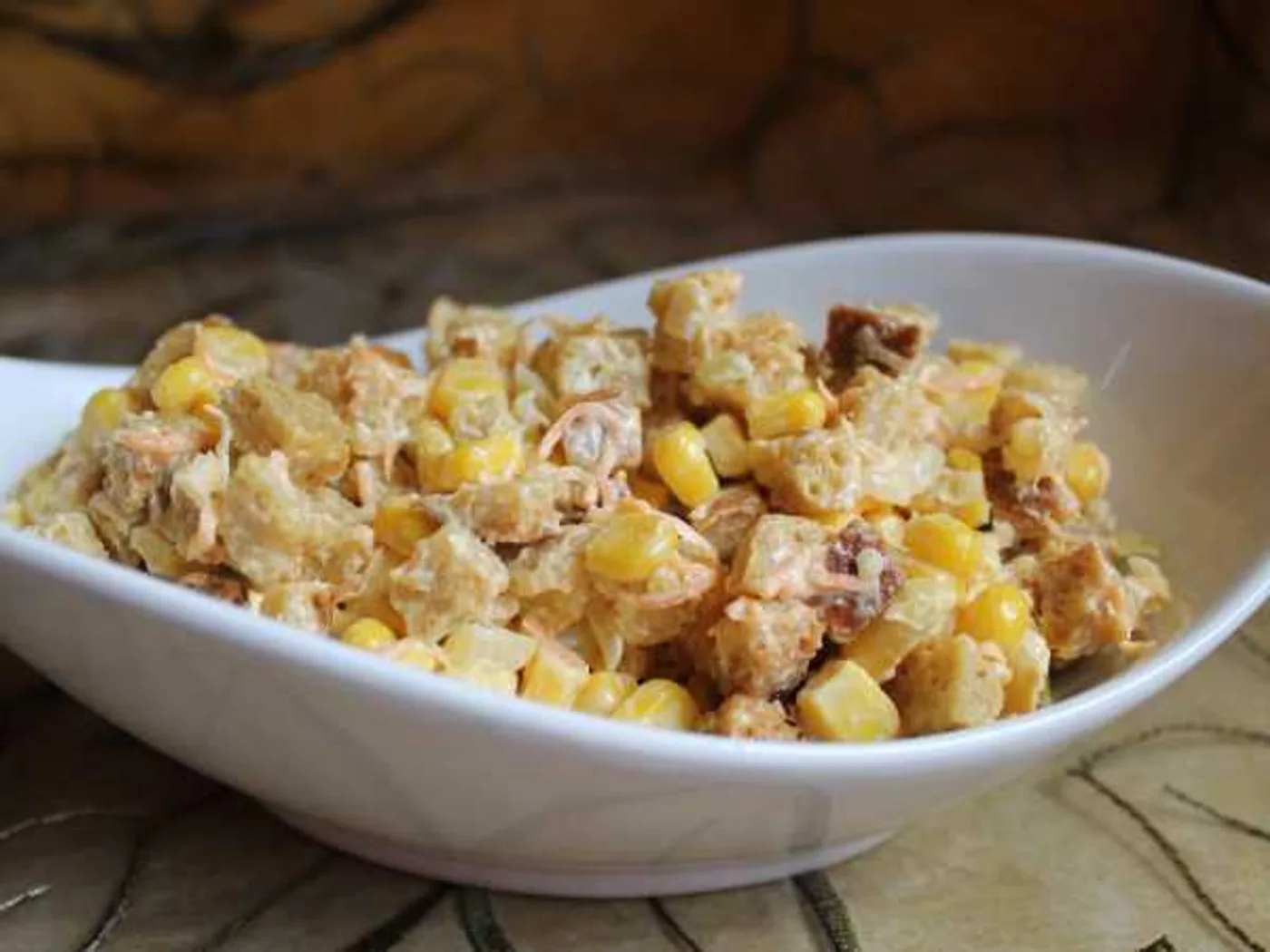
"Favourite" salad
How to prepare "Favorite Salad": Bread, Mayonnaise, Garlic and Carrots. Step-by-step recipe with a photo, 18 stages, the total time is 30 minutes.
 International
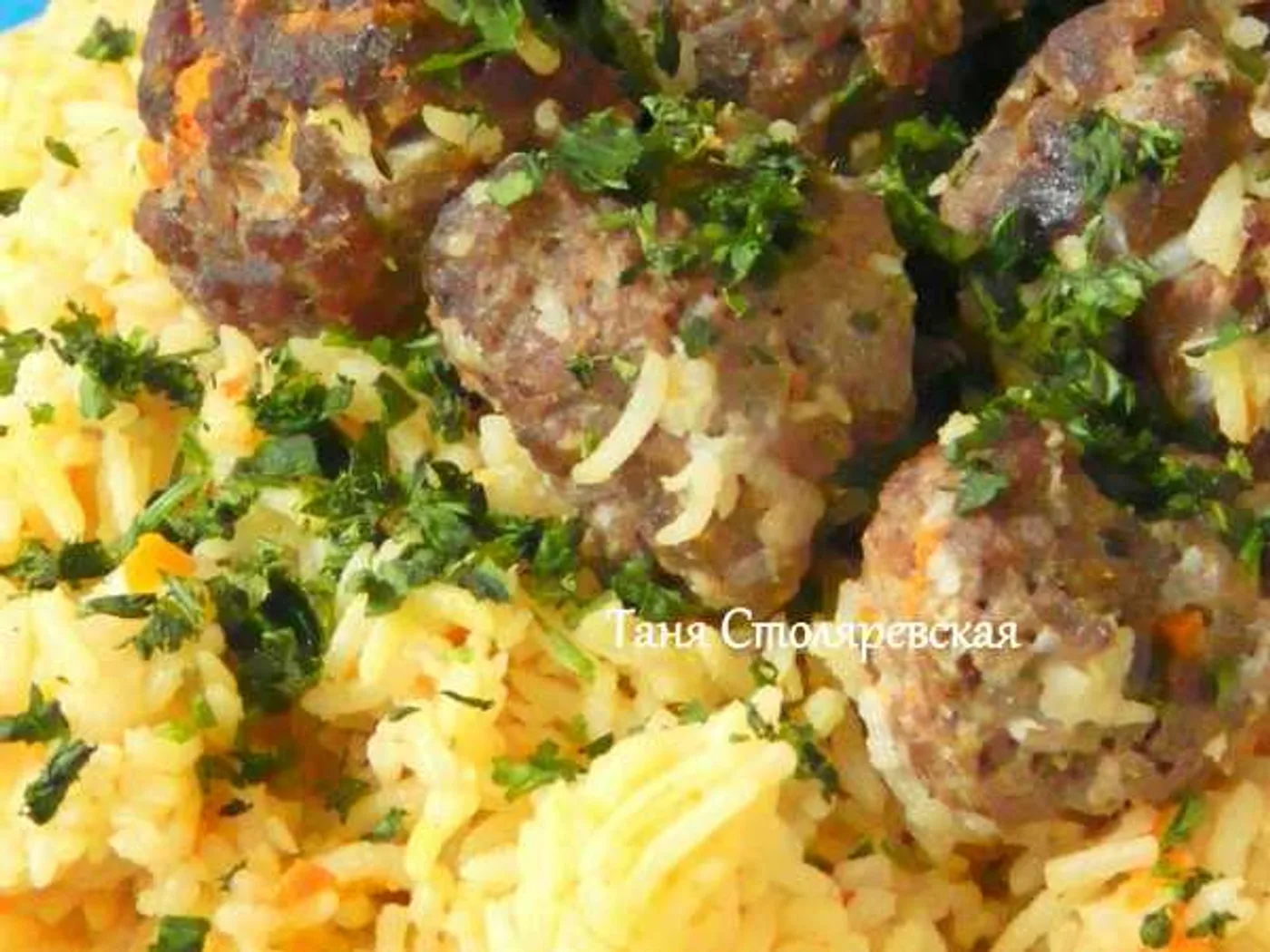
"Gelak Pilaw," pilaf with meatballs
Learn how to make "Gelak Pilaw," pilaf with meatballs with 7 ingredients and 11 clear steps.
 International
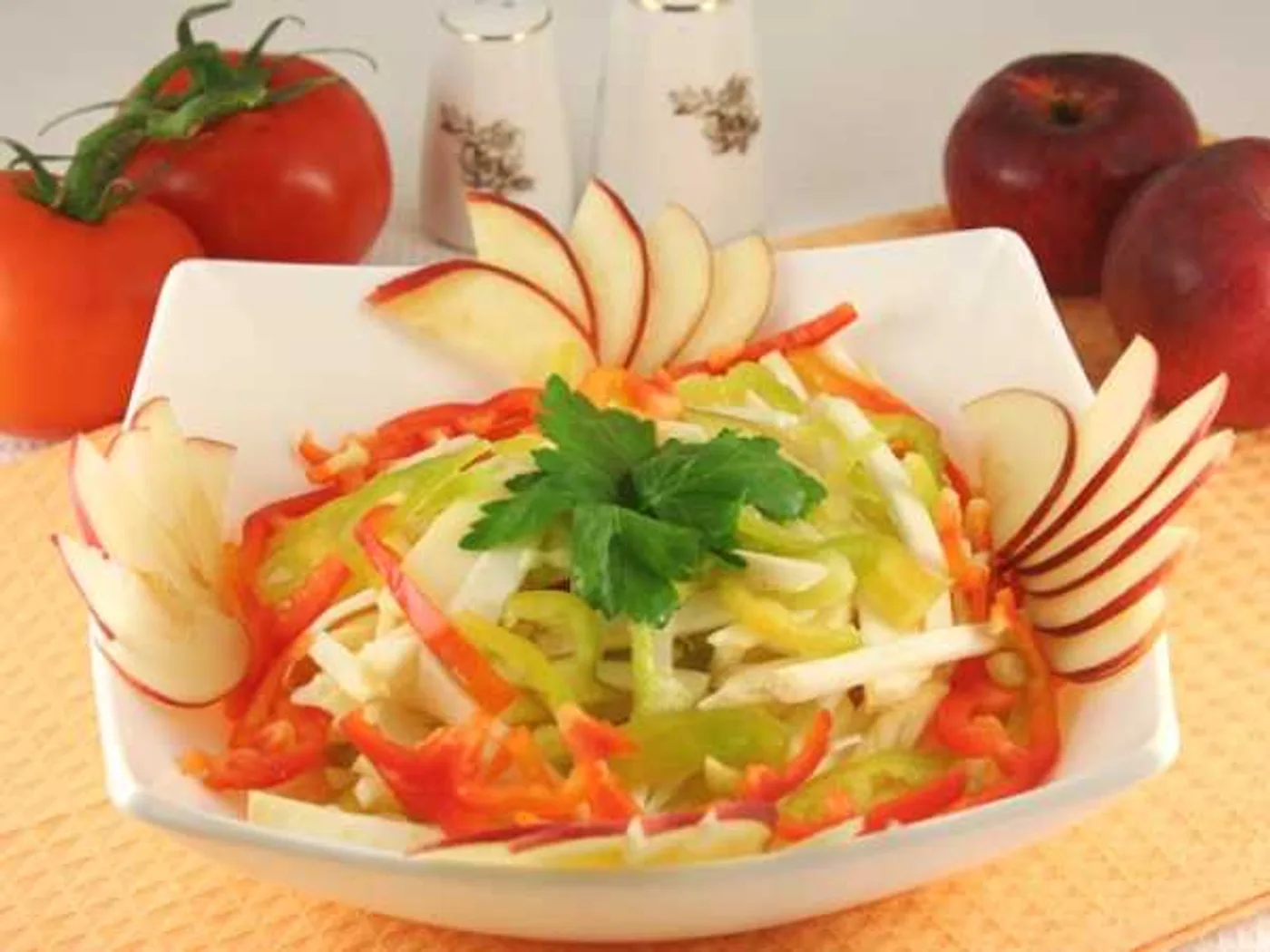
"Grace" salad
Learn how to make "Grace" salad with 7 ingredients and 8 clear steps.
 International
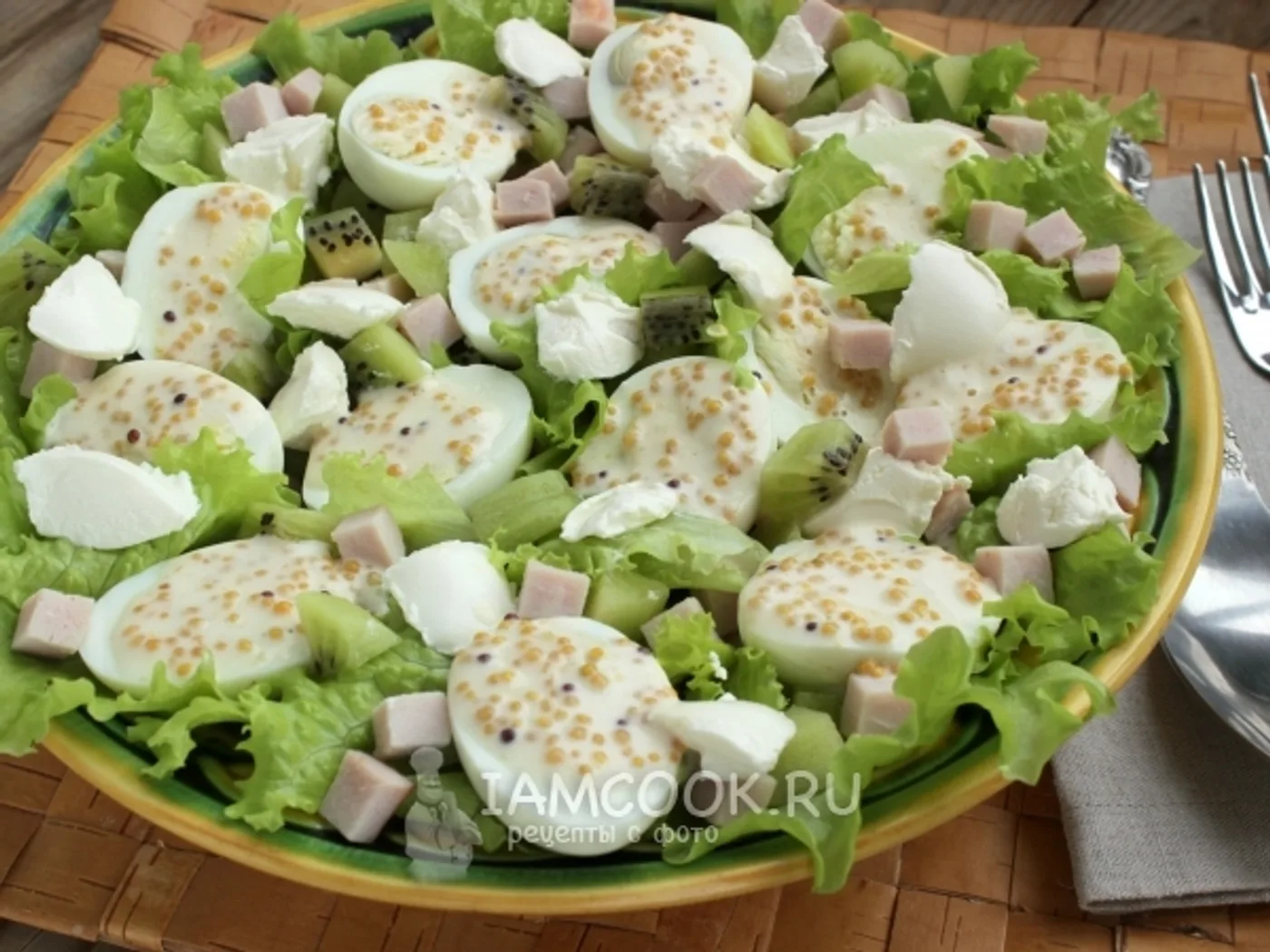
“Original” pork salad with kiwi and eggs
How to prepare “Original” pork salad with kiwi and eggs: Lettuce leaf, Pork in / k, Kiwi and Eggs (quail or chicken C2-C3) - 6 pieces.