Waterzooi
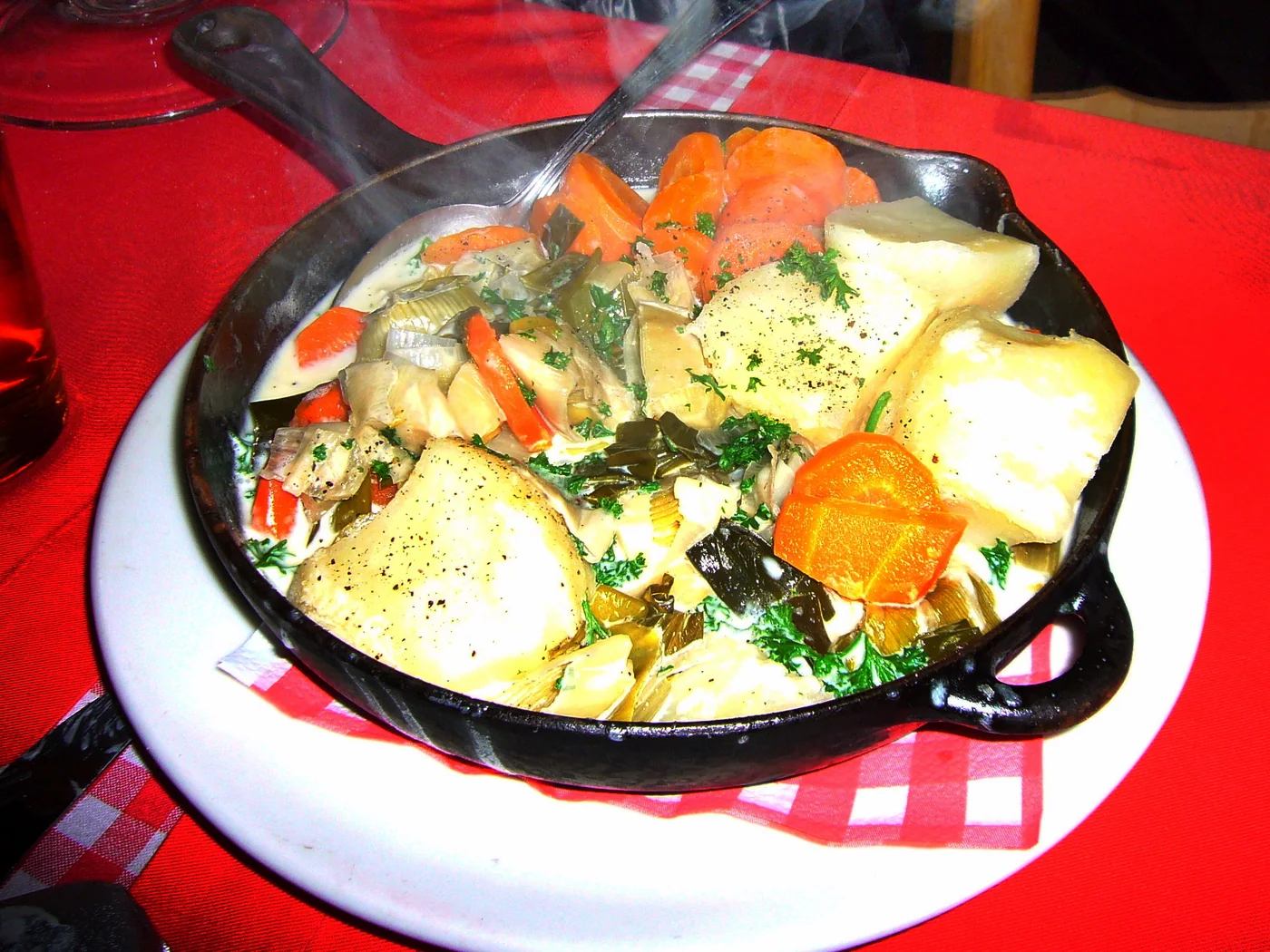
Waterzooi is a classic stew in Northern Belgian cuisine. Its name is Dutch, meaning "watery mess". The original form uses fish, though today chicken waterzooi is more common, as well as vegetables such as carrots, leeks, and potatoes, as well as herbs, eggs, cream, and butter. Typically, fish such as eel, pike, carp and bass are used. Other fish such as cod,
Before you start
A quick setup makes the method easier to follow and keeps important steps from being missed.
Preparation checklist
- Read all 8 method steps from beginning to end.
- Measure and arrange all 11 listed ingredients.
- Keep the recipe open and follow each step in order; the source does not state a total time.
Useful preparation guidance
Read the complete method before starting so ingredients and equipment are ready when needed.
Measure and prepare every ingredient before applying heat or beginning time-sensitive steps.
Use the method's visual and texture cues, because cookware and heat levels can vary between kitchens.
General kitchen guidance; no recipe-specific claim has been added.Method
- 01
Melt butter in large pot over medium heat. Add vegetables, bay leaf, and peppercorns then sauté for a few minutes.
- 02
Stir in the butter, then cook for 5 minutes without allowing the vegetables to brown.
- 03
Add stock and bring to boil.
- 04
Add fish, reduce the heat, and let simmer for 10 minutes.
- 05
Remove fish and cut into pieces.
- 06
Temper 200 ml of the stock into the egg yolk, stirring to prevent curdling. Stir the mixture back into the pot along with the cream, and bring the mixture back to just below boiling.
- 07
Add fish and taste everything for flavour, adding salt as required.
- 08
Serve in shallow bowls.
Ready to serve
Serve the dish as directed and enjoy it while it is at its best.
Bon appétit — enjoy your meal!Source & licence
This recipe was adapted and reformatted from Wikibooks Cookbook . Text: CC BY-SA 4.0. Image: CC BY 2.0, credited to Martin Bravenboer from Utrecht, The Netherlands; view original image record .
More from International
 International
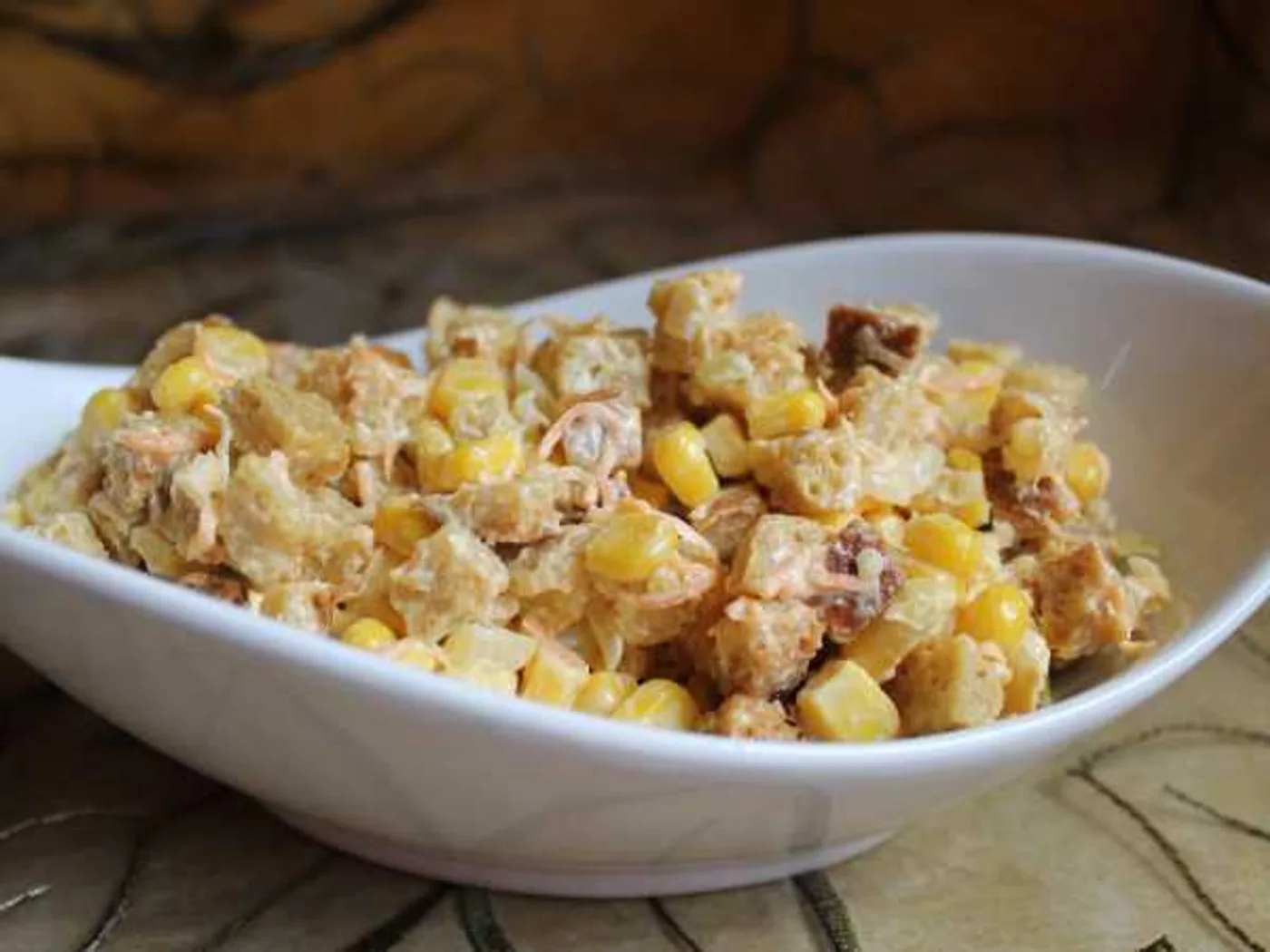
"Favourite" salad
How to prepare "Favorite Salad": Bread, Mayonnaise, Garlic and Carrots. Step-by-step recipe with a photo, 18 stages, the total time is 30 minutes.
 International
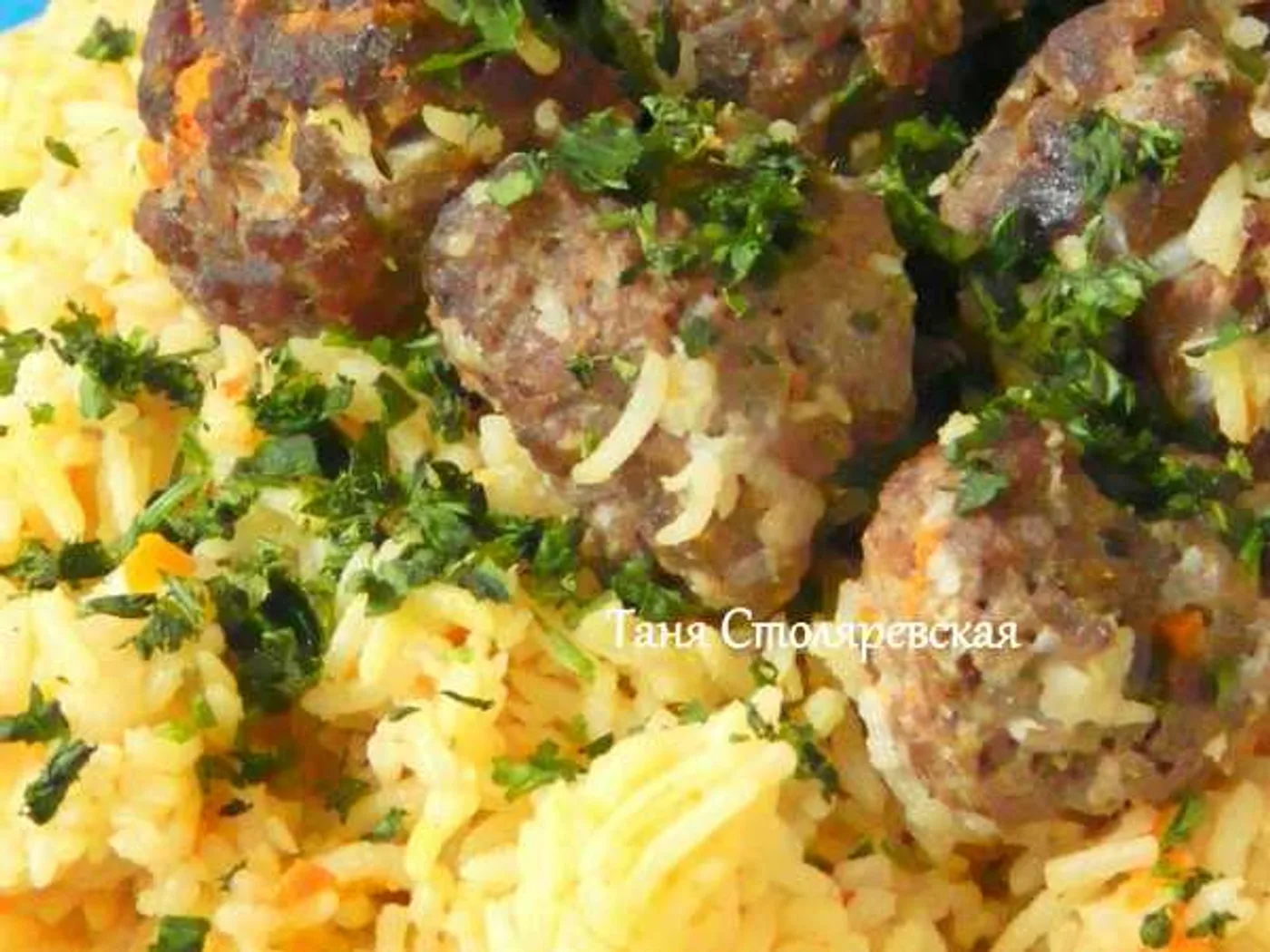
"Gelak Pilaw," pilaf with meatballs
Learn how to make "Gelak Pilaw," pilaf with meatballs with 7 ingredients and 11 clear steps.
 International
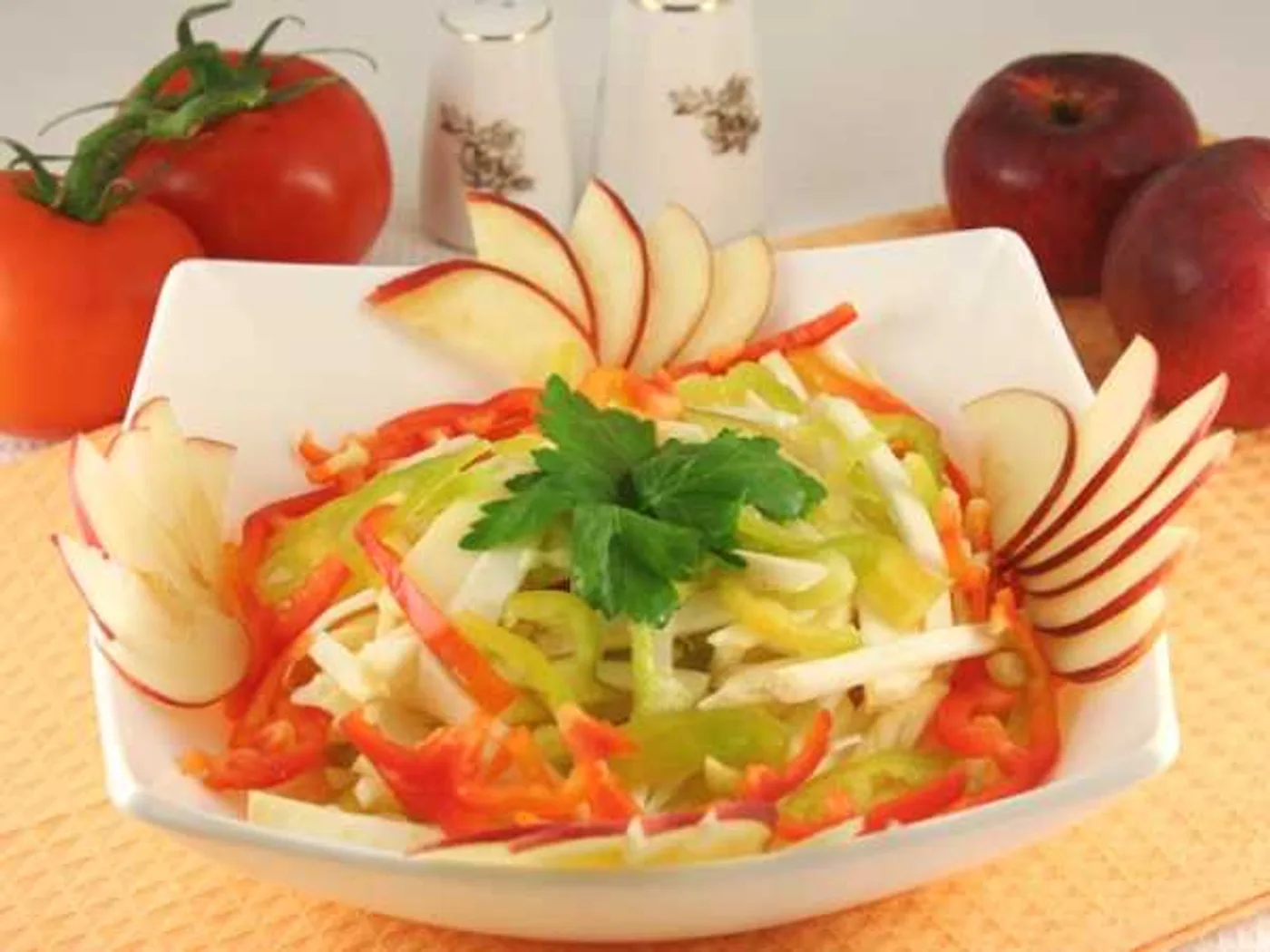
"Grace" salad
Learn how to make "Grace" salad with 7 ingredients and 8 clear steps.
 International
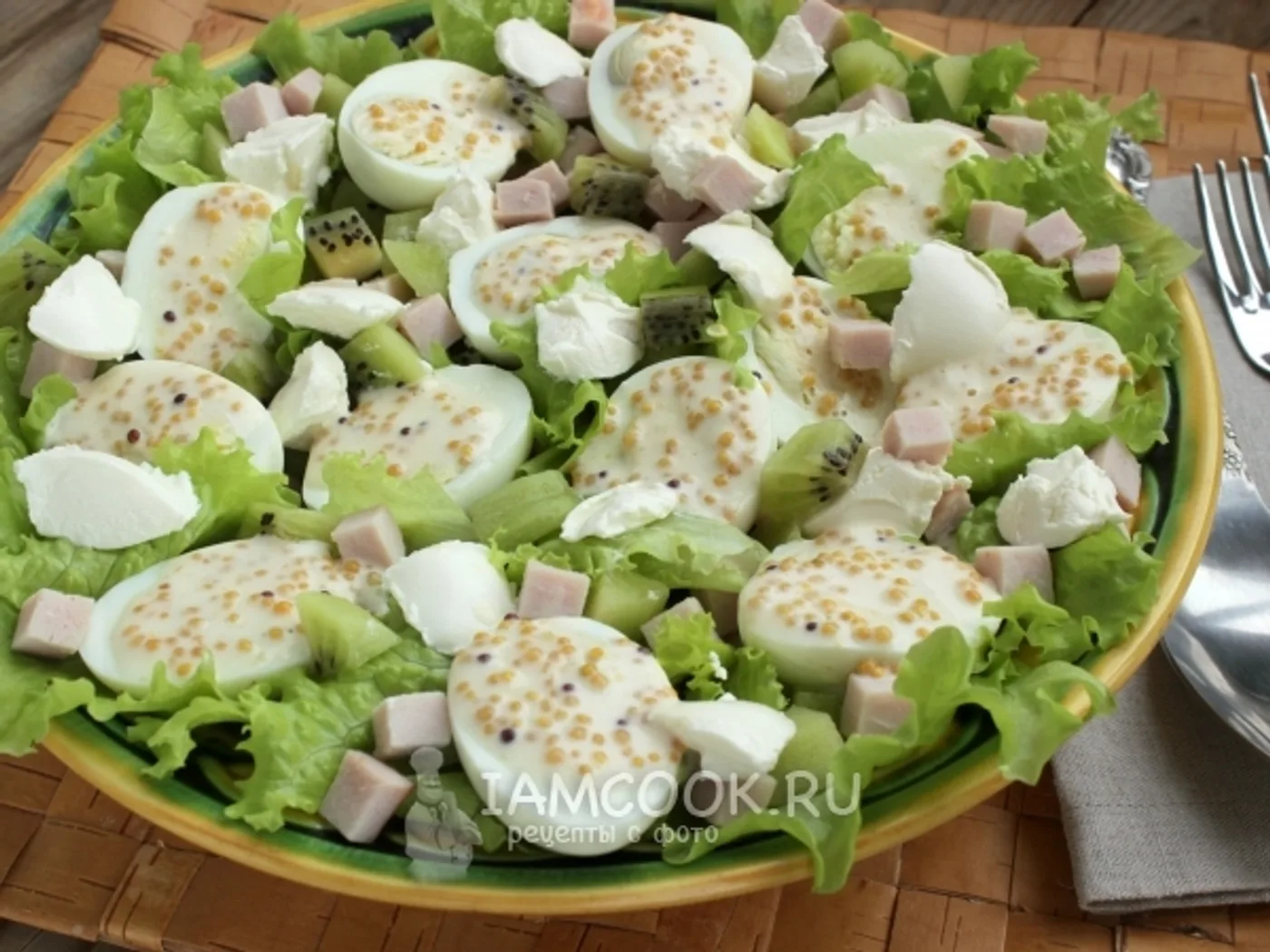
“Original” pork salad with kiwi and eggs
How to prepare “Original” pork salad with kiwi and eggs: Lettuce leaf, Pork in / k, Kiwi and Eggs (quail or chicken C2-C3) - 6 pieces.